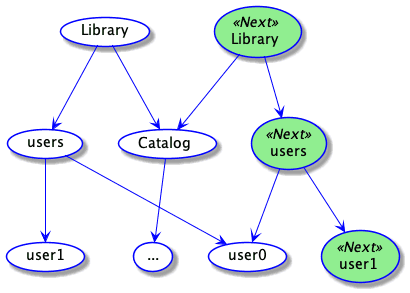
공식 문서에 나와있는 structural sharing에 대한 설명
structural sharing React Query uses a technique called “structural sharing” to ensure that as many references as possible will be kept intact between re-renders. If data is fetched over the network, usually, you’ll get a completely new reference by json parsing the response. However, React Query will keep the original reference if nothing changed in the data. If a subset changed, React Query will keep the unchanged parts and only replace the changed parts.
Note: This optimization only works if the queryFn returns JSON compatible data. You can turn it off by setting structuralSharing: false globally or on a per-query basis, or you can implement your own structural sharing by passing a function to it.
구조적 공유 React Query는 ‘구조적 공유’라는 기술을 사용하여 재렌더링 사이에 가능한 한 많은 참조가 그대로 유지되도록 합니다. 네트워크를 통해 데이터를 가져올 경우, 일반적으로 응답을 JSON 파싱함으로써 완전히 새로운 참조를 얻게 됩니다. 하지만 React Query는 데이터에 변동이 없다면 원래의 참조를 유지합니다. 일부 데이터가 변경된 경우, React Query는 변경되지 않은 부분은 유지하고 변경된 부분만 교체합니다.
참고: 이 최적화는 queryFn이 JSON 호환 데이터를 반환할 때만 작동합니다. 구조적 공유를 전역적으로 또는 쿼리별로 false로 설정하여 끌 수 있으며, 함수를 전달하여 자체적인 구조적 공유를 구현할 수도 있습니다.
위 말을 요약하자면, 쉽게 말해서 쿼리 결과들에 대한 레퍼런스가 데이터가 실제로 변경이 됐을 때만 변경되게끔 만든다는 뜻입니다.
Structural Sharing를 통한 최적화
React Query는 새로운 데이터를 만들 때 가능한 한 기존의 데이터를 유지하려고 합니다. 아래 코드와 같이 응답받은 데이터가 있을 때,
[
  { "id": 1, "name": "Learn React", "status": "active" },
  { "id": 2, "name": "Learn React Query", "status": "todo" }
]
서버에서 id 1에 대한 값이 업데이트되었다면, React Query는 아래 코드와 같이 모든 데이터를 교체하지 않고 변경된 값만 교체하여 기존의 데이터는 유지합니다.
[
- { "id": 1, "name": "Learn React", "status": "active" },
+ { "id": 1, "name": "Learn React", "status": "done" },
  { "id": 2, "name": "Learn React Query", "status": "todo" }
]
React Query는 이전 데이터를 유지함으로 변경되지 않은 데이터를 사용하는 컴포넌트에서는 리렌더링이 발생하지 않도록 최적화합니다. 기존의 데이터를 유지하지 않고 항상 새로운 데이터로 사용하기 위해서는 structuralSharing 옵션을 false로 설정하면 됩니다.
어떻게 이게 가능한 것일까요?
const a = [1, 2, 3]
const b = [1, 2, 3]

console.log(a === b) // ?
자바스크립트를 공부한 사람이라면 위 코드에서 false가 로그로 찍힌다는 것을 알 수 있습니다.
네트워크를 통해 데이터를 가져올 경우 일반적으로는 매번 참조주소값이 달라지므로 사실 상 매번 다른 데이터를 받아오는 것입니다. 리액트 쿼리는 어떤 방법으로 불필요한 리렌더링을 최소화했을까요?
궁금해서 tanstack query 내부에서 동작하는 코드를 찾아봤습니다. 정답은 replaceEqualDeep 함수에 있었습니다.
replaceEqualDeep함수 내부에서 사용하는 관련된 함수들까지 복사해서 가져와봤습니다.
/* eslint-disable no-prototype-builtins */
export function isPlainArray(value: unknown) {
  return Array.isArray(value) && value.length === Object.keys(value).length;
}

function hasObjectPrototype(o: any): boolean {
  return Object.prototype.toString.call(o) === '[object Object]';
}

// Copied from: https://github.com/jonschlinkert/is-plain-object
export function isPlainObject(o: any): o is object {
  if (!hasObjectPrototype(o)) {
    return false;
  }

  // If has no constructor
  const ctor = o.constructor;
  if (ctor === undefined) {
    return true;
  }

  // If has modified prototype
  const prot = ctor.prototype;
  if (!hasObjectPrototype(prot)) {
    return false;
  }

  // If constructor does not have an Object-specific method
  if (!prot.hasOwnProperty('isPrototypeOf')) {
    return false;
  }

  // Handles Objects created by Object.create(<arbitrary prototype>)
  if (Object.getPrototypeOf(o) !== Object.prototype) {
    return false;
  }

  // Most likely a plain Object
  return true;
}

/**
 * This function returns `a` if `b` is deeply equal.
 * If not, it will replace any deeply equal children of `b` with those of `a`.
 * This can be used for structural sharing between JSON values for example.
 */
export function replaceEqualDeep<T>(a: unknown, b: T): T;
export function replaceEqualDeep(a: any, b: any): any {
  // a와 b가 primitive type 혹은 a와 b가 같은 참조값이면 a를 반환
  if (a === b) {
    return a;
  }

  const array = isPlainArray(a) && isPlainArray(b);

  // 둘 다 배열이거나 둘 다 plain object면
  if (array || (isPlainObject(a) && isPlainObject(b))) {
    const aItems = array ? a : Object.keys(a);
    const aSize = aItems.length;
    const bItems = array ? b : Object.keys(b);
    const bSize = bItems.length;
    // 복사본을 저장할 배열 또는 object
    const copy: any = array ? [] : {};

    let equalItems = 0;

    for (let i = 0; i < bSize; i++) {
      const key = array ? i : bItems[i];
      // (배열 aItems에 있는 key이거나 a,b 둘 다 배열이고) && a[key]와 b[key]가 undefined이면
      if (((!array && aItems.includes(key)) || array) && a[key] === undefined && b[key] === undefined) {
        // 복사본에 해당 키의 값은 undefined로 저장
        copy[key] = undefined;
        // 둘 다 undefined로 같기 때문에 equalItems++
        equalItems++;
      } else {
        // 값이 undefined가 아니면 재귀적으로 replaceEqualDeep 호출
        copy[key] = replaceEqualDeep(a[key], b[key]);
        // 실질적으로 여기서 deep equal한지 확인
        // replaceEqualDeep에서 아래 return 문에서 a가 나왔으면 바로 밑 조건문 통과 equalItems++
        if (copy[key] === a[key] && a[key] !== undefined) {
          equalItems++;
        }
      }
    }

    // bSize가 0이거나 for문 전부 다 순회했을 때 aSize와 equalItems가 같으면 a를 반환
    return aSize === bSize && equalItems === aSize ? a : copy;
  }

  // a와 b가 다른 타입 혹은 다른 값일 경우 b를 반환
  return b;
}
코드의 핵심은 nested된 모든 프로퍼티까지 비교하여 변경된 부분만을 새로운 b로 교체하고 그렇지 않다면 a를 활용하는 것입니다. (a와 b가 완전 동일하다면 a, 일부만 변경되었다면 copy, 완전 다르다면 b를 반환하게 되는 로직입니다.) 재귀 함수를 통해서 이를 구현한 것을 확인할 수 있습니다.
이런 방식으로 리액트 쿼리는 실제로 데이터가 변경되었을 때만 레퍼런스가 변경되도록 할 수 있었던 것입니다.
[!TIP] 위 코드가 이해가 안 될 경우 간단한 중첩 객체를 대입시켜서 로직을 따라가면 이해하기 쉽다.
레퍼런스
- https://tanstack.com/query/latest/docs/framework/react/guides/render-optimizations#structural-sharing
- https://blog.klipse.tech/javascript/2021/02/26/structural-sharing-in-javascript.html
- https://beomy.github.io/tech/react/tanstack-query-v5-api-reference/#react-query-api-%EB%A0%88%ED%8D%BC%EB%9F%B0%EC%8A%A4
- https://imsangin.tistory.com/entry/React-Query%EC%97%90%EC%84%9C-%EB%8D%B0%EC%9D%B4%ED%84%B0-reference%EB%A5%BC-%EA%B4%80%EB%A6%AC%ED%95%98%EB%8A%94-%EB%B0%A9%EB%B2%95